
Getting Your Buckhead Home Ready To Sell Confidently
May 7, 2026
May 7, 2026
Selling in Buckhead can feel exciting and a little tricky at the same time. You may know your home is special, but in a market with different sub-neighborhoods, varied housing types, and more selective buyers, confidence comes from preparation, not guesswork. The good news is that a smart plan can help you price well, present your home strongly, and stay ready for what comes next. Let’s dive in.
Buckhead is not just one uniform market. The area includes multiple named neighborhoods such as Buckhead Village, Buckhead Forest, Garden Hills, North Buckhead, Peachtree Heights East and West, Peachtree Hills, Peachtree Park, Pine Hills, and Ridgedale Park, and city maps also place Buckhead across District 7 and District 8.
That matters when you get ready to sell. A condo in one part of Buckhead should not be treated like a single-family home in another, and even homes that seem close together can compete in very different price ranges. If you want to sell confidently, you need to think hyper-local from the start.
Recent market snapshots also show a more selective environment than the peak frenzy many sellers still remember. Redfin’s March 2026 Buckhead snapshot showed a median sale price around $675,500 and average market time of about 90.5 days, while Realtor.com showed a median listing price of $465,000 and 975 homes for sale, with days on market up year over year.
Those numbers are not contradictory. They simply measure different things, and together they reinforce an important point: broad online estimates only tell part of the story. Your real pricing strategy should lean on recent sold comps.
If you want to avoid overpricing or underpricing, start by comparing your home to recent sales that truly match it. Fannie Mae guidance says comparable sales should be physically and locationally similar, with attention to size, age, condition, and market timing.
In Buckhead, that usually means comparing like with like. Single-family homes should be measured against similar single-family homes, and condos should be measured against comparable condos in the same subarea whenever possible.
This step is where many sellers either gain confidence or lose it. A broad Atlanta average may be interesting, but it does not capture the difference between blocks, lot sizes, views, finishes, and property types that shape value in Buckhead.
Condition also matters more than many sellers expect. Fannie Mae notes that property characteristics like condition, quality, view, and location should be analyzed on their own merits, not simply in comparison to nearby homes.
That means two homes on the same street can land in very different price bands if one is updated and photo-ready while the other feels dated. Buyers notice those differences quickly, and so do appraisers.
It is natural to remember what homes were getting at the hottest point of the market. But today’s Buckhead seller is usually better served by pricing for current conditions, not yesterday’s momentum.
Broader 2025 Georgia MLS data showed the City of Atlanta at a $405,000 median sales price, 54 days on market, and 94.8% of original list price received. The greater Atlanta metro area posted a $389,900 median sales price, 50 days on market, and 95.7% of original list price received.
Those metro numbers are not Buckhead-specific, but they still tell you something useful. Pricing and presentation matter, and buyers are not simply saying yes to any number a seller chooses.
A strong pricing strategy should balance your goals with what recent sold data supports. That gives you a better chance of attracting serious buyers early, rather than sitting on the market and chasing price reductions later.
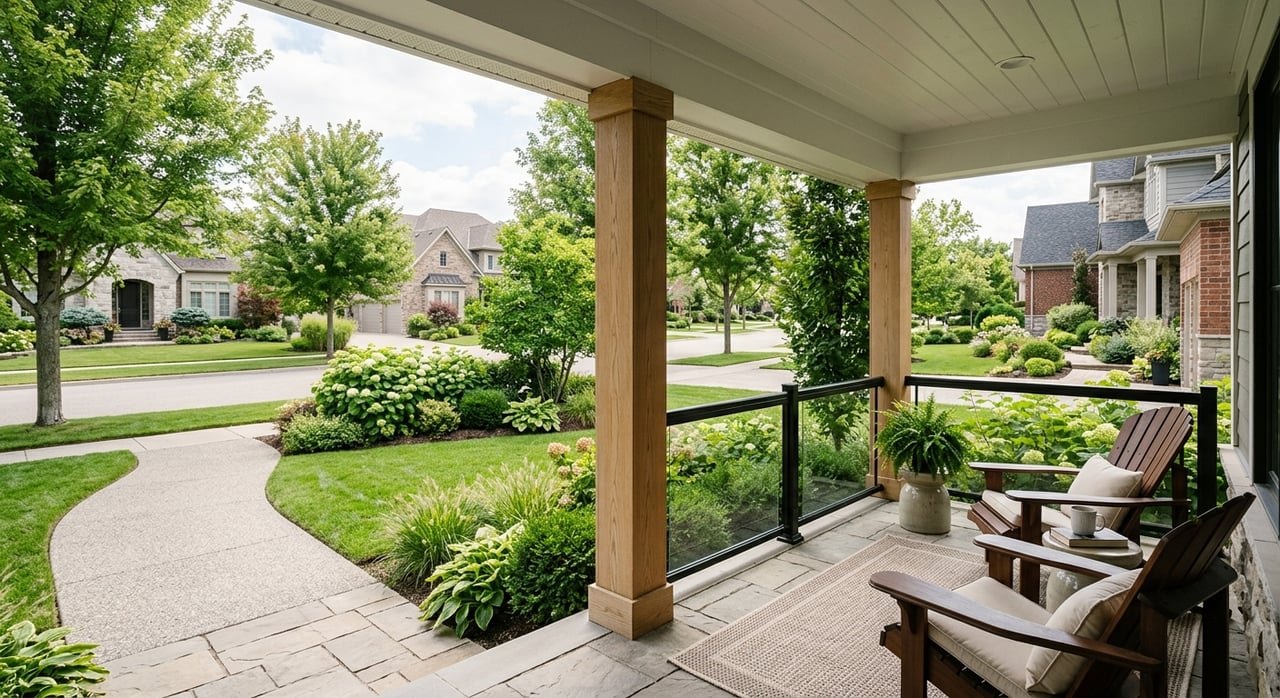
You do not need to remodel everything to get your Buckhead home ready. In most cases, the better move is to focus on cosmetic updates and presentation details that improve first impressions in photos and during showings.
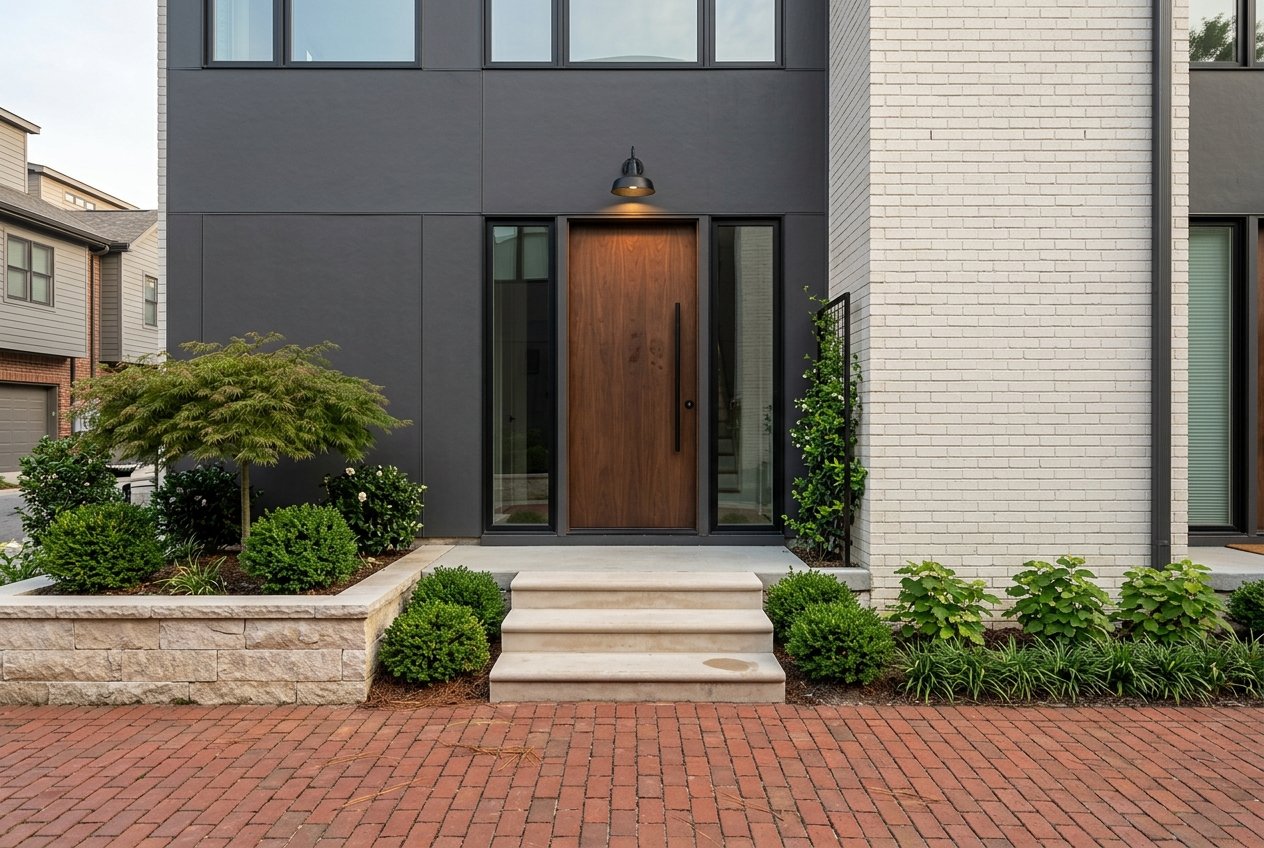
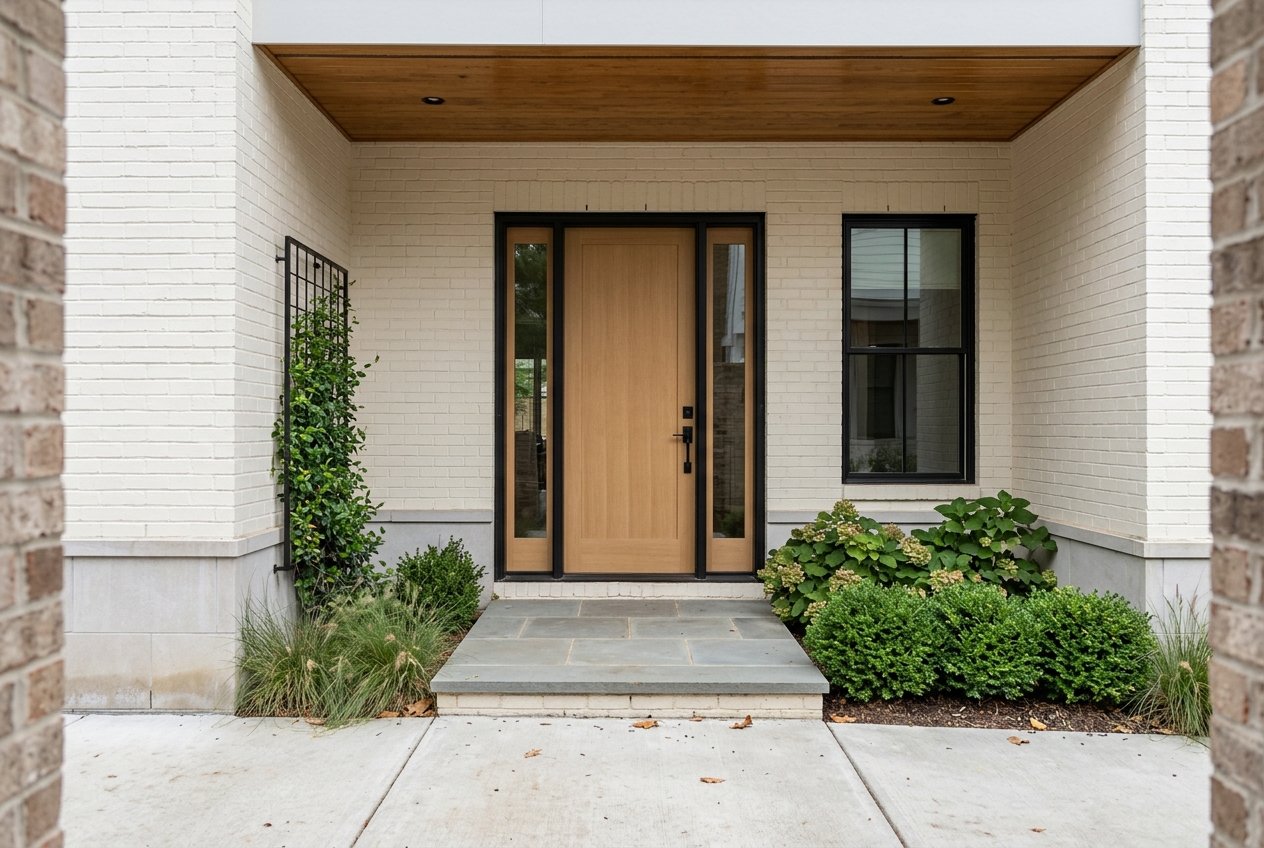
General seller prep guidance points to a few basics that still matter: decluttering, depersonalizing, deep cleaning, fresh paint, and curb appeal. In real life, that often means removing extra furniture, clearing countertops, touching up scuffed walls, cleaning windows, and making the front entry feel polished.
This approach is especially useful in a visually driven market. Buyers often form opinions online before they ever step inside, so your home needs to look clean, bright, and easy to imagine living in.
Try to think in terms of return on attention. The goal is not to make your home look expensive. The goal is to make it feel cared for, functional, and move-in ready.
Staging can help buyers connect with your home faster. According to the National Association of Realtors’ 2025 staging study, 83% of buyers’ agents said staging made it easier for buyers to visualize a future home.
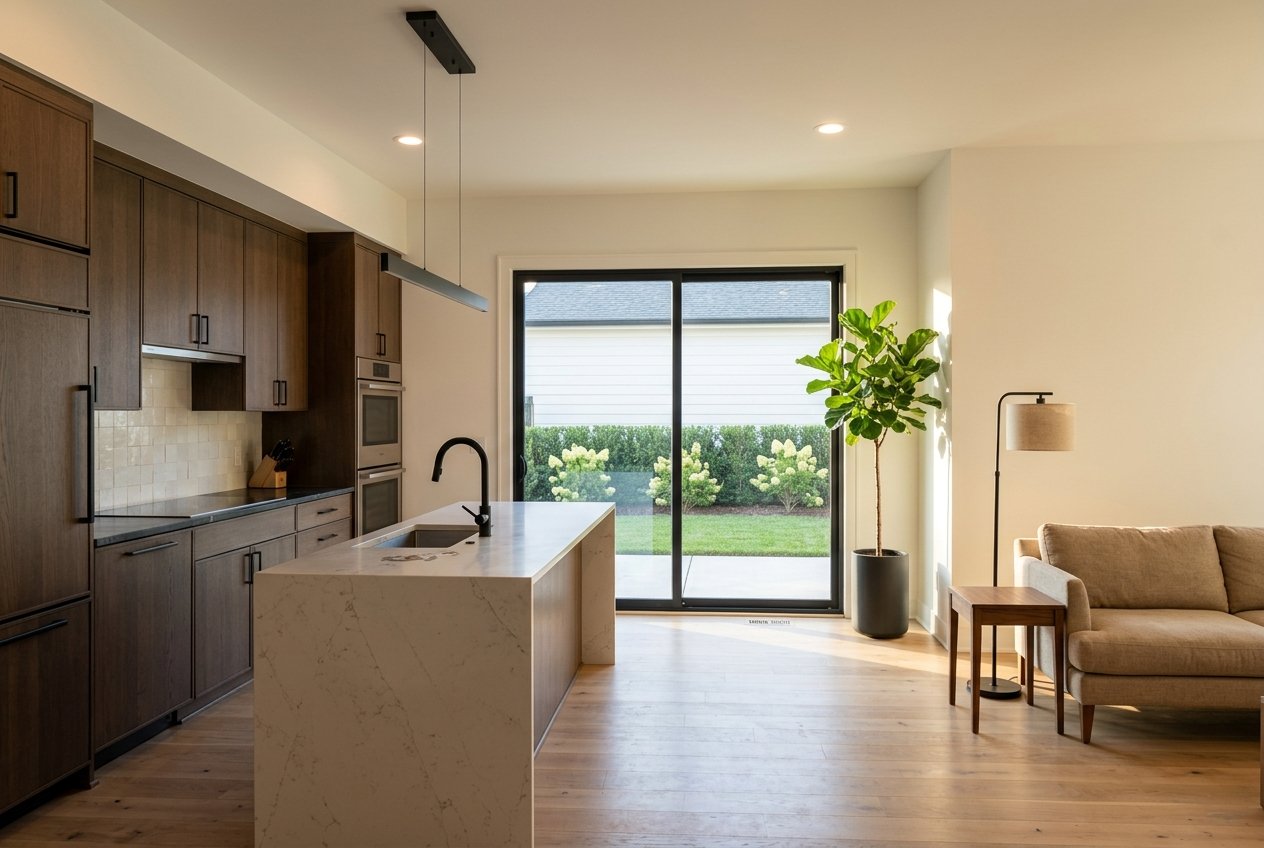
The rooms buyers cared about most were the living room, primary bedroom, and kitchen. Sellers’ agents also reported that the most commonly staged rooms were the living room, primary bedroom, dining room, and kitchen.
That gives you a clear priority list. If you are deciding where to spend time and effort, start with the rooms that will do the most work in photos and in person.
It is also helpful to keep your expectations realistic. Staging can support a faster, smoother sale experience, but it is not a guaranteed price booster. In the same study, 41% of buyers’ agents said staging had no impact on dollar value, so it should be treated as a presentation tool rather than a promise of a higher sale price.
Photos are not an afterthought anymore. NAR’s 2025 staging study found that buyers’ agents saw high value in photos, physical staging, videos, and virtual tours.
That means your home should be ready to perform well online before it ever hits the market. Clean surfaces, balanced lighting, simple decor, and a tidy exterior all help your listing make a strong first impression.
Before photo day, walk through your home like a buyer seeing it for the first time on a screen. Look for visual distractions such as cords, crowded shelves, magnets on appliances, overflowing closets, or too many personal items.
Small changes can make a major visual difference. And in a market where homes may take around three months to sell on average, a strong launch matters.
Once your listing goes live, access to the home may become more frequent than you expect. Buyers are not the only people who may need to enter during the sale process.
NAR notes that appraisers, property data collectors, inspectors, and repair professionals may also need access. If you live in the home while selling, it helps to create a simple reset routine you can do quickly before each visit.
Your routine might include:
This kind of consistency keeps your home show-ready without turning every visit into a stressful event.
Selling your home means inviting people into your space, so privacy and safety deserve real attention. NAR’s consumer privacy guidance recommends stowing family photos, mail, calendars, login information, and sensitive documents.
It also recommends locking up jewelry, firearms, and prescription medications. Because photos and video are common during the sales process, you should remove or secure anything you would not want captured or shared.
This is one of the simplest ways to feel more in control while your home is on the market. A little planning can help you stay open to showings without feeling exposed.
Electronic lockboxes can also improve access tracking. That can support a smoother showing process while helping you know when the home has been accessed.
Seller confidence does not mean ignoring feedback. In a market where buyers are making fast visual judgments online and homes may take longer to sell than they once did, repeated comments can reveal where your strategy needs adjusting.
If multiple buyers mention price, lighting, condition, or layout, pay attention. That does not automatically mean something is wrong, but patterns usually matter more than one isolated opinion.
This is especially true in Buckhead, where presentation and pricing work together. If your home is getting views but not showings, or showings but not offers, the market may be telling you something useful.
The goal is not to react emotionally. The goal is to make smart, evidence-based adjustments if the response points in a clear direction.
A smoother sale often starts before the listing goes live. Gathering your property paperwork early can save time and reduce last-minute stress once a buyer is interested.
Georgia REALTORS’ forms library includes separate disclosure exhibits for standard residential, condominium, lot and land, new construction, lead-based paint, and community association disclosures. That is especially relevant in Buckhead, where housing types can vary widely from one listing to the next.
If your home was built before 1978, federal lead disclosure rules apply. The EPA says sellers must disclose known lead-based paint hazards, provide the lead information pamphlet, include the required warning language in the contract, retain signed acknowledgments for three years, and give buyers a 10-day opportunity to test for lead.
Even when your property is newer, having disclosures and property details organized upfront helps you look prepared and credible. It can also make contract discussions move more smoothly when an offer arrives.
If you want a practical roadmap, keep it simple. The most effective sequence is to choose sub-neighborhood-level comps, complete cosmetic touch-ups, stage the key rooms, protect privacy during showings, and have disclosures ready before the home goes live.
That order works because it reflects how buyers actually shop and how homes actually sell. Price sets expectations, presentation drives interest, and readiness helps keep the process moving once attention builds.
Selling in Buckhead does not require perfection. It requires a thoughtful plan, local awareness, and a willingness to prepare where it counts most.
If you are thinking about selling and want a clear strategy built around your home, your timing, and your Buckhead micro-market, connect with Yahtava Morrison for a personalized valuation and next-step plan.
Stay up to date on the latest real estate trends.

With deep local knowledge and a passion for helping clients succeed, Yahtava Morrison provides reliable real estate guidance.