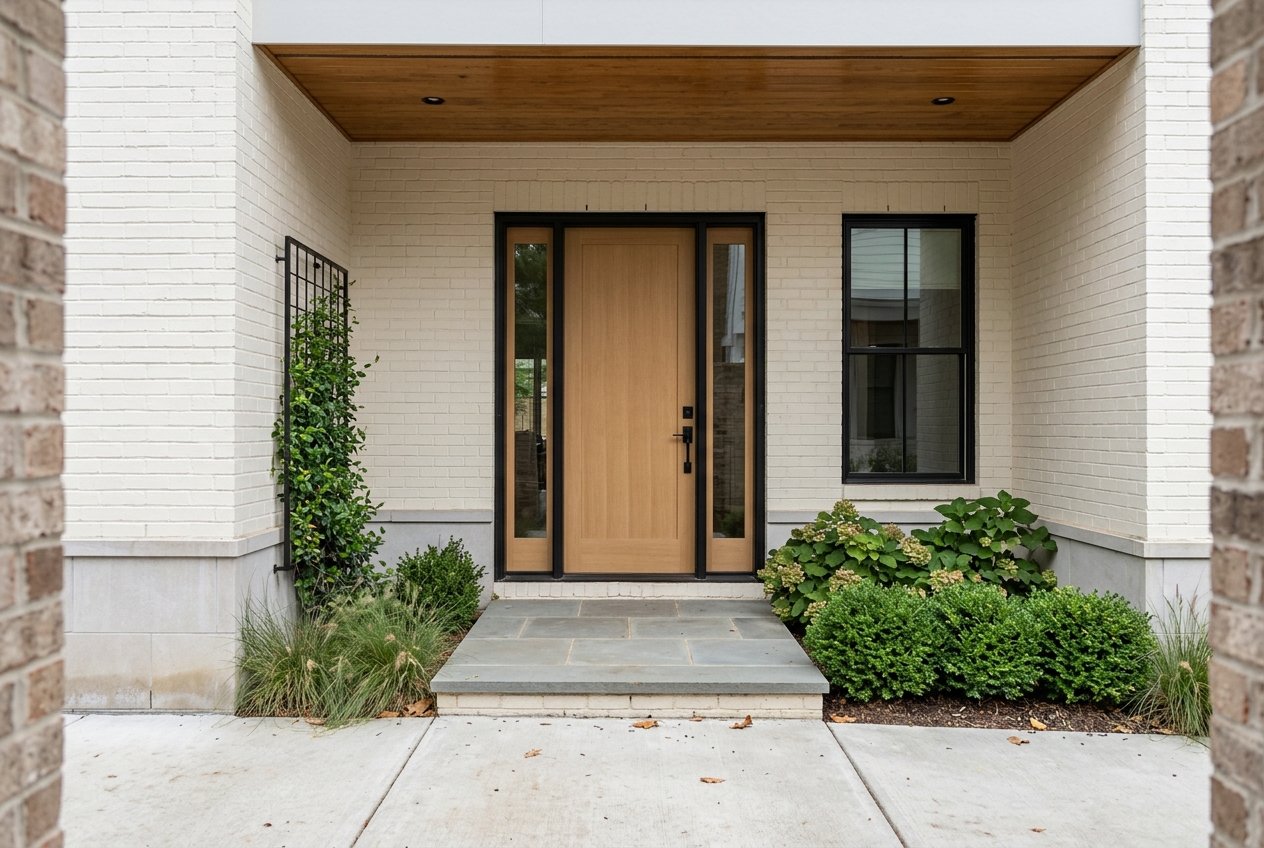
How To Explore Atlanta Neighborhoods Before You Buy
May 14, 2026
May 14, 2026
Buying in Atlanta can feel simple until you realize one street can live very differently from the next. If you are trying to narrow down where to buy, you are not just comparing prices. You are comparing commute patterns, housing types, neighborhood layout, and the rhythm of daily life. This guide will help you explore Atlanta neighborhoods in a practical way before you make an offer. Let’s dive in.
Atlanta is not one single market. It is a collection of smaller micro-markets, and that matters when you are deciding where to live.
The City of Atlanta has more than 240 neighborhoods grouped into 25 Neighborhood Planning Units, often called NPUs. City tools let you look up a property’s neighborhood, NPU, zoning classification, and land-use code by address. That means a home search in “Atlanta” should really be a search across smaller areas with their own feel, access, and housing mix.
Even broad labels can be misleading. Buckhead includes multiple recognized neighborhoods around a commercial and retail spine, while intown Atlanta stretches across several areas like Midtown, Virginia Highland, Old Fourth Ward, Inman Park, Candler Park, and Reynoldstown. The BeltLine adds another layer, connecting more than 45 neighborhoods along its corridor.
Before you fall in love with finishes or square footage, use three simple questions to compare neighborhoods:
These questions work well in metro Atlanta because access patterns, neighborhood feel, and housing choices can shift fast from one area to another. A MARTA stop, a BeltLine connection, or an interstate exit can change how a location functions day to day.
A smart weekend tour is not just about seeing homes. It is about following the routes that will shape your real life after closing.
One helpful approach is to build separate loops based on how people actually move through the metro. For Atlanta-area buyers, that often means an intown loop, a Buckhead loop, and a south-metro loop.
An intown loop should focus on MARTA access and BeltLine-connected areas. MARTA’s rail map shows the Red and Gold Lines serving key intown stations, and these routes can help you understand what living near transit might look like for your routine.
As you drive or walk, pay attention to how close homes are to stations, trails, shops, and everyday errands. Also notice where the built environment changes from residential blocks to mixed-use corridors. Intown Atlanta is not uniform, so small shifts in location can create a very different experience.
A Buckhead loop should center on Peachtree and Lenox access. This is a good example of how one well-known area can still contain very different neighborhood patterns.
Buckhead includes a retail and commercial core, plus recognized single-family neighborhoods nearby. MARTA access also matters here. Buckhead Station is on the Red Line and offers rail access to Midtown, Downtown, and Hartsfield-Jackson Atlanta International Airport, which can be a major plus depending on your schedule.
A south-metro loop can help you compare locations that are more highway-oriented. Fairburn and McDonough are useful examples because they offer different access patterns from intown Atlanta.
Fairburn is about 20 miles south of Atlanta, about 15 miles from the airport, and adjacent to I-85, with nearby access to I-75 and I-20. McDonough’s commercial districts are reached from I-75 exits 221, 218, and 216, and its historic downtown sits about 2.5 miles east of the interstate. If your daily life depends on freeway access, that distinction is worth testing in person.
Do not test a neighborhood only once. In metro Atlanta, timing can change your impression of a place.
According to the Atlanta Regional Commission’s 2025 Regional Commuter Survey, telework and flexible schedules have spread congestion more evenly through the day. Average commute times were also about five minutes shorter than in the 2019 survey, but that does not mean every route feels easy all day long.
A neighborhood that feels convenient at noon may move very differently during school drop-off or early evening. If a commute matters to you, try the same route more than once. That gives you a more realistic view of how the area fits your lifestyle.
Once you are in a neighborhood, shift from map mode to real-life mode. Ask yourself what everyday living would actually feel like there.
Look for practical signals like traffic noise, parking availability, sidewalk continuity, visible upkeep, and how easy it is to reach parks or shopping. Also notice whether the area feels mainly residential, more mixed-use, or more shaped by major roads and highway access.
These observations matter because location affects more than convenience. Fannie Mae notes that neighborhood and location can affect price through factors like walkability, homeowners associations, city and county taxes, and insurance rates.
The home itself is only part of the decision. You also need to understand the housing stock around it.
In some parts of Buckhead or intown Atlanta, you may be comparing condos, townhomes, and single-family homes within a short distance. Near Lenox, for example, the housing mix ranges from low-density single-family homes to higher-density condos and rental apartments.
In places like Fairburn and McDonough, the search may lean more toward suburban single-family homes and neighborhood clusters tied to highway access and local commercial centers. That does not make one option better than another. It simply means your choice should match how you want to live and what kind of upkeep, fees, and layout you are comfortable with.
Fannie Mae also notes that condos and townhomes may include HOA fees, and that the age of a home can signal future maintenance needs. As you tour, keep an eye on both the property and the broader housing pattern around it.
A few market snapshots can help you compare options, even though broad numbers never tell the whole story.
Atlanta city has a mean travel time to work of 26.5 minutes, an owner-occupied housing rate of 46.4%, and a median value of owner-occupied housing units of $439,600. Fulton County shows a 27.7-minute mean commute, a 54.3% owner-occupied rate, and a median value of $458,800. Those numbers provide a baseline, but neighborhood differences inside the city can be much larger.
Fairburn offers a different profile, with a 64.2% owner-occupied rate, a median owner-occupied home value of $271,800, and a 32.9-minute mean commute. McDonough’s figures show a 54.8% owner-occupied rate, a median owner-occupied home value of $314,600, and a 32.5-minute mean commute.
These comparisons can help you spot tradeoffs. A lower price point may come with a longer drive, while a more central location may come with a different housing type or neighborhood pattern.
Community anchors often tell you a lot about how an area functions. They can shape how people gather, run errands, or spend free time.
In Fairburn, the city’s Livable Centers Initiative highlights the Education Campus, home to Georgia Military College and Brenau University, as a gateway into the revitalized downtown. Local recreation assets include Duncan Park, the Duncan Park Pool & Splash Pad, and Cora Robinson Park.
In McDonough, the historic Square serves as a civic and retail center with local shops and restaurants. In Atlanta, the BeltLine acts as a major neighborhood-connectivity spine across many areas. Places like these can help you understand whether a neighborhood feels walkable, destination-driven, or more car-dependent.
Neighborhood fit is important, but it should always be paired with home-level evaluation. A great location does not cancel out property issues.
CFPB recommends using a satisfactory inspection contingency and scheduling inspections as soon as possible. It also advises buyers not to skip a thorough inspection, because serious flaws can change the decision to buy.
Freddie Mac adds that the final walk-through should happen about 24 hours before closing so you can confirm agreed repairs are complete and the seller has moved out. If you are comparing older homes, newer construction, condos, or townhomes, this step is especially important.
Because Atlanta changes so much from one subarea to the next, local guidance matters. An agent who understands your target neighborhoods, price range, and preferred home type can help you compare options with more clarity.
CFPB specifically advises choosing an agent with strong experience in your preferred neighborhoods, price range, and home type. In Atlanta, that can make a real difference because market conditions and housing patterns can shift sharply from one area to another.
If you are exploring Buckhead, intown neighborhoods, Fairburn, McDonough, or nearby metro communities, the goal is not just to find a home. It is to find the right fit for your routine, budget, and long-term plans.
If you want help building a smart neighborhood tour and narrowing your options with confidence, connect with Yahtava Morrison.
Stay up to date on the latest real estate trends.



With deep local knowledge and a passion for helping clients succeed, Yahtava Morrison provides reliable real estate guidance.